AI training data from native speakers
We label text and documents, record and transcribe speech, annotate images and score model answers in the languages your product serves. Every project starts with a pilot batch on your own data.

What we do for AI teams
Giga Translations produces training and test data for machine learning teams. Native speakers of your users' languages do the labeling, recording and review, following your written guidelines, and we measure agreement between them on every batch.
We started as a translation and publishing company. That background helps most where language gets hard: dialects, idioms, text that mixes scripts, and model answers that are correct in English but sound wrong to a native reader.
Data services
Nine services, each with its own page. Most projects combine two or three of them.
- Data annotation and labelingEntities, sentiment, intent, categories and document fields, labeled to your guidelines.
- Speech and audio dataRecordings collected to your speaker mix, then transcribed with speaker turns and timestamps.
- Image and video annotationBoxes, polygons, segmentation and captions, including captions written in other languages.
- Training data collectionNew text, audio and images made to order, with a consent record for every contributor.
- RLHF and fine-tuning dataPrompts, model answers and preference rankings, written by native speakers.
- LLM evaluationModel answers scored against your rubric for accuracy, fluency and cultural fit.
- Red teaming and safety reviewAdversarial prompts in each language your model answers in, with a written report.
- Human review and moderationPeople checking model output and user content at the pace your product needs.
- Search relevance and product dataSearch results rated for each market, and product attributes written and translated.
When AI teams bring us in
Three situations where native-speaker work changes the result.
- Launching in a new market
Test sets and ratings before your users see the model
Your assistant works well in English and you're adding Spanish, Arabic or Hindi. We build test sets with native speakers and rate the model's answers in each language.
- One label set, several languages
The same categories, labeled the same way everywhere
You have guidelines and a label set in English. We adapt the guidelines with you, then label each new language to the same categories so results compare across markets.
- Document AI
Ground truth for forms and scans in many scripts
Your model reads invoices, forms and contracts. We annotate the fields and correct OCR text in Latin, Arabic, Cyrillic and Asian scripts for training and testing.
Pilot batch and calibration
Volume starts only after you've seen how our team labels your data and agreed the guidelines.
Guidelines
We read your guidelines, or help you write them, and list the edge cases we expect to come up.
Gold set
We agree a small set of items with correct answers. It trains the annotators and scores them later.
Pilot batch
Our team labels a sample of your data. Some items are labeled twice so we can measure agreement.
Calibration review
We go through agreement scores, gold-set errors and every question the team raised with you, then update the guidelines.
Your sign-off QAProduction
Batches run at the volume you need. Each one arrives with its agreement and gold-set scores.
Who does the work
Every language on your project has its own annotators and a senior reviewer.
- AnnotatorsNative speakers of the language they label. Each one passes a test task on your guidelines before joining the project.
- Senior reviewersOne for each language. They settle disagreements between annotators and check a sample of every batch.
- Project managerYour contact for the whole project. Sends the batch reports and handles guideline changes.
How your data is handled
Your data is used for your project and nothing else.
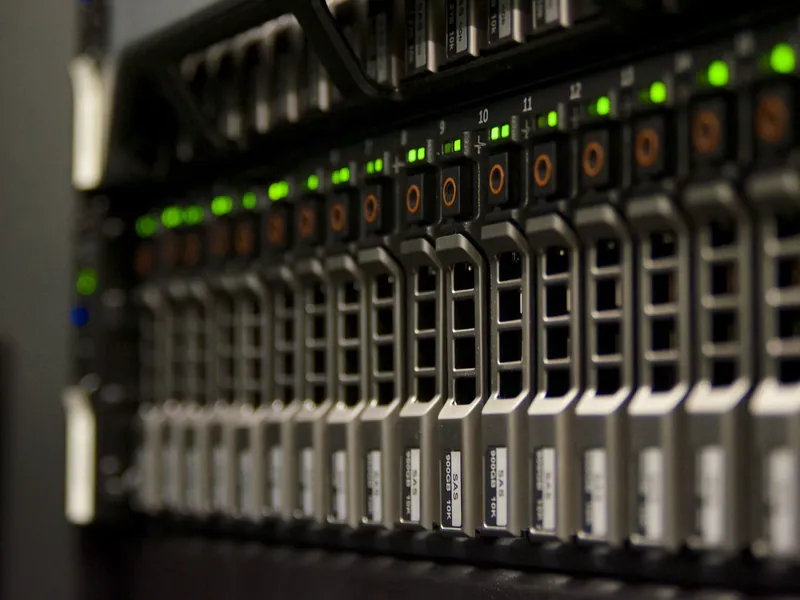
Security setup and certifications to confirm
- NDAsEvery annotator and reviewer works under a signed NDA. We'll also sign yours.
- AccessOnly the people assigned to your project can open your data.
- Where the work happensIn your labeling platform under your access controls, or in a tool we set up for your project.
- DeletionWe delete your data when the project ends, unless you ask us to keep it for follow-up batches.
- Consent for collected dataWhen we record or collect new data, each contributor signs a consent form that covers your intended use. You get the consent records with the data.
- OwnershipYou own the data and the labels. We don't reuse them for other clients.
Data types and formats
- Data we work with
- Text, chat logs, documents and scans, audio, images, video, and model prompts and responses
- Label formats
- JSON, JSONL, CSV and XML. CoNLL for entity spans, COCO or Pascal VOC for image boxes.
- Audio
- WAV or FLAC at the sample rate you set, with transcripts and timestamps
- Platforms
- Your own labeling tool, or Label Studio or CVAT when you don't have one
Formats and platforms to confirm
Questions about AI training data
What is AI training data?
It's the set of examples a machine learning model learns from, such as sentences, recordings or images, each paired with a label, a transcript or a rating. Test data is the same kind of material, kept aside to measure how well the model performs.
What does a data annotation company do?
It adds labels to raw data by following written guidelines, with trained annotators and a review process, so the labels are consistent enough to train or test a model. We also collect new data and evaluate model output.
Which languages do you cover?
English and the major European and Asian languages, plus Arabic, Hebrew, Farsi, Urdu and many smaller languages. For dialects and low-resource languages, we confirm we have enough qualified annotators before the pilot starts.
How does a pilot batch work?
We agree guidelines and a gold set with you, label a sample of your data, and review the results together, including agreement scores and open questions. Volume starts only after you sign off.
Who owns the data and the labels?
You do. We use your data only for your project, we don't reuse it or the labels for anyone else, and we delete it when the project ends unless you ask us to keep it.
Can you work in our labeling tool?
Yes. We can work inside your platform under your access rules. If you don't have one, we set up a tool for the project and deliver the labels as files in your format.
Start with a pilot batch
Send us your guidelines and a sample of your data, or book a call to talk through the project. We'll propose a pilot and a price.
- Phone
- +44 20 3290 0116
- Phone hours
- Weekdays 9:30 to 16:00, weekends 9:30 to 12:00, UK time